RAIN Otavi
Our vision in action
A phased programme to restore productive landscapes and develop integrated agriculture, forestry and industry in Namibia's Otjozondjupa Region.
Rooted in Otavi,
built for the region
Located near Otavi in northern-central Namibia, RAIN's planned programme brings together extensive rangeland management, irrigated agricultural demonstration, agroforestry and biomass valorisation.
Its guiding principle is straightforward: demonstrate technical and commercial feasibility in stages, then expand according to results.
A place for production
and protection
The land strategy envisages complementary use zones, with biodiversity restoration forming an integral component of the project.
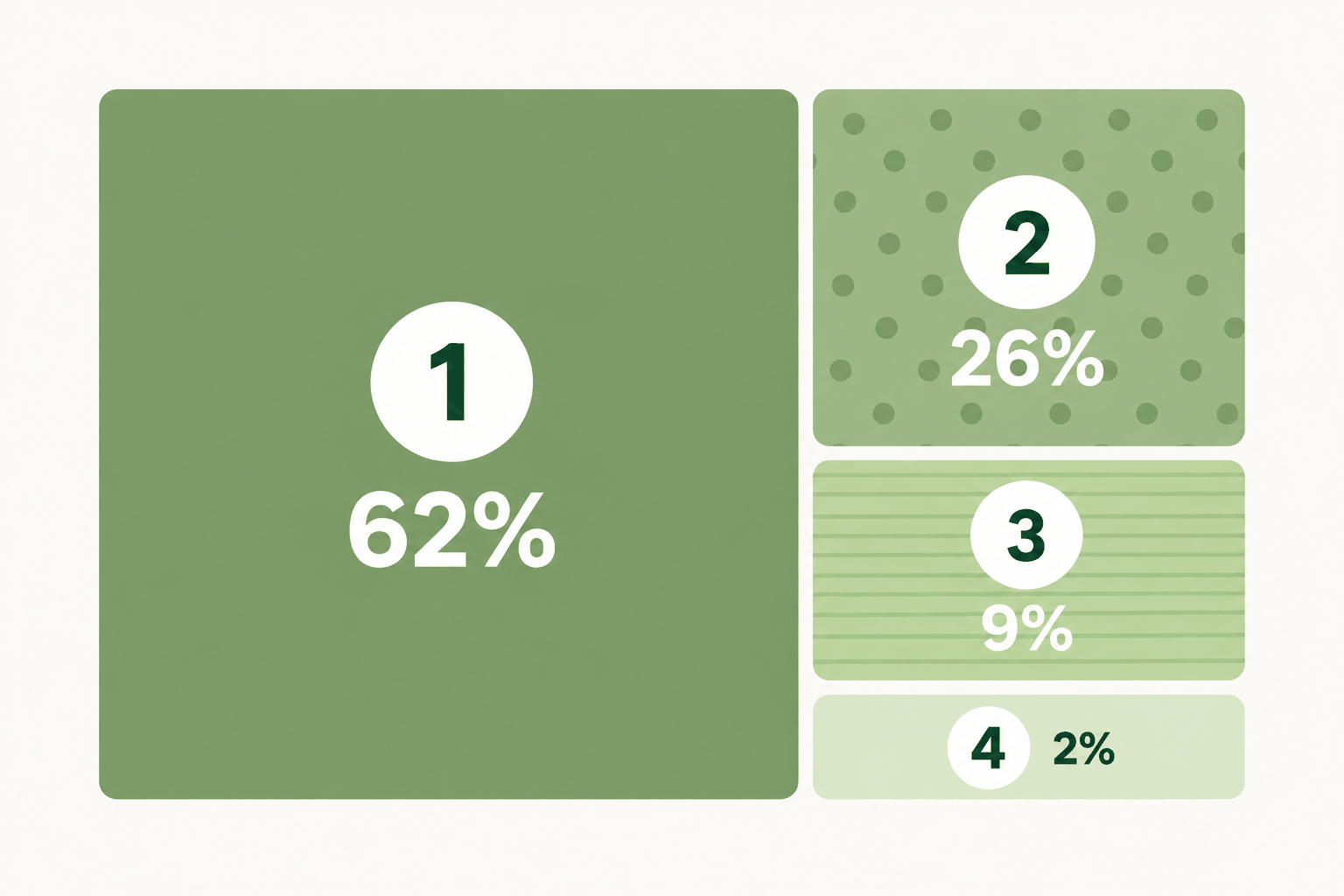
Agroforestry
Irrigated Paulownia and native-species plantings, with crops grown between the tree rows.
Biodiversity conservation
A planned reserve combining targeted ecological management and savanna restoration, with the return of native grazers and a proposed ecolodge to support low-impact ecotourism.
Integrated crop and vegetables production
Irrigated open-field farming will be complemented by precision vegetable production in nethouses, a nursery for young trees, and livestock operations. Together, these activities are intended to support diverse crop production, integrated livestock production, and the gradual development of the wider agroforestry programme.
Local Transformation & Processing
The Agro-Industrial Area will provide a first step in local value addition, transforming farm and forestry outputs into market-ready products. Planned activities may include vegetable washing, grading and packaging; biochar production from suitable biomass; and sawmilling timber for construction. Further processing will be developed in phases, subject to feedstock availability, technical validation and market demand.
Proof first, scale next
RAIN's plan is intentionally phased. Select a stage below to explore the expected role of each development period.
Restore rangeland, develop livestock
An initial programme centred on approximately 5,000 hectares, designed to establish operational capabilities and test rangeland-restoration and livestock activities.
Key activities
- Selective & gradual clearing of encroacher bush
- Livestock operations and local employment
- 6 ha of irrigated forest
- Small-scale biochar production
- Field monitoring and lessons for the next phase
Testing the whole system, not just one crop.
The demonstration programme is designed to validate water management, Paulownia, agriculture, livestock integration, local logistics and biomass processing.
These elements are interdependent: farming depends on infrastructure and water; biomass processing connects land restoration to soil improvement and commercial value.
Learn how the system works →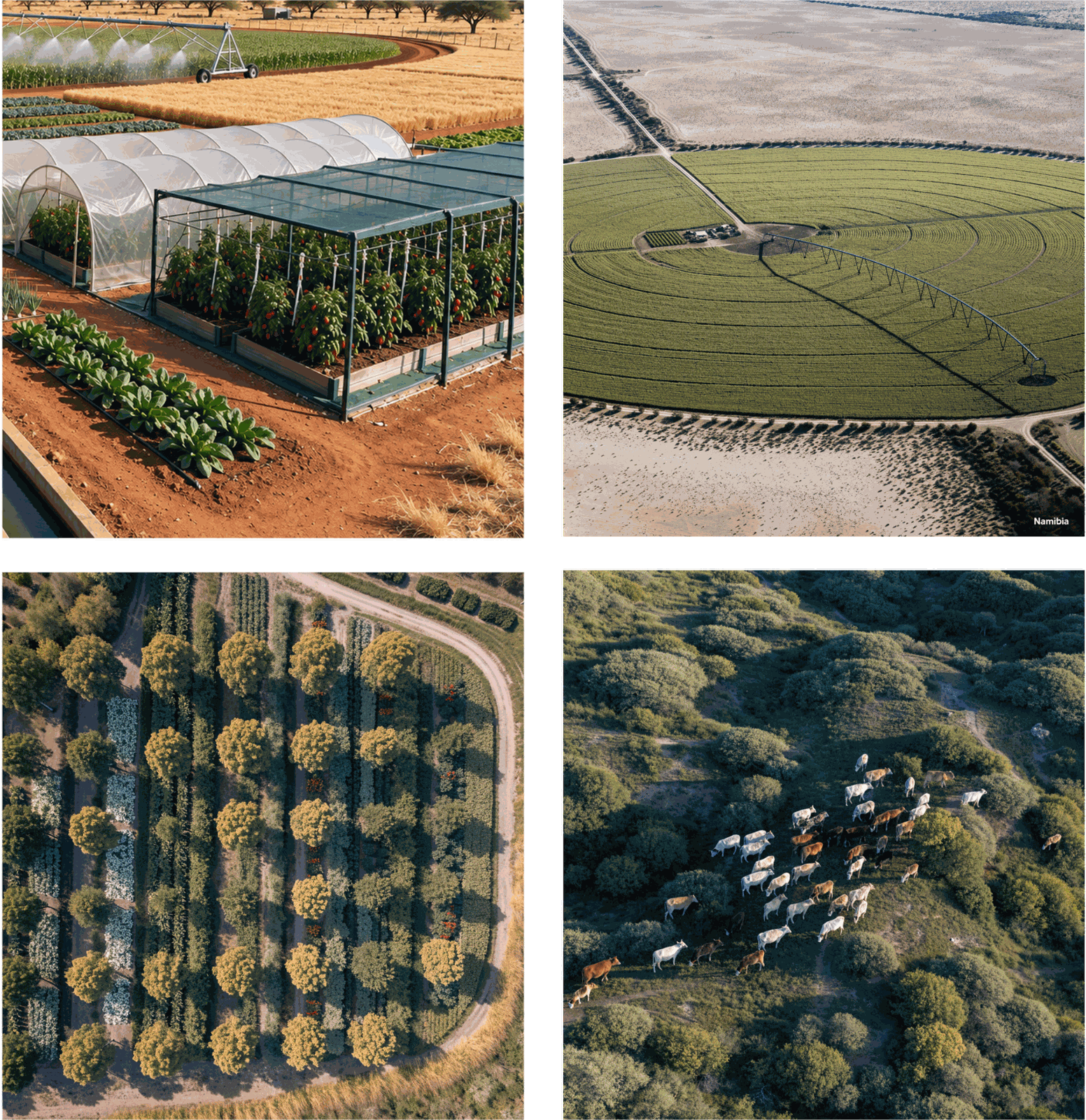
Transparent progress
builds confidence.
The public project journal is designed to distinguish completed actions, activities underway and the next milestones.